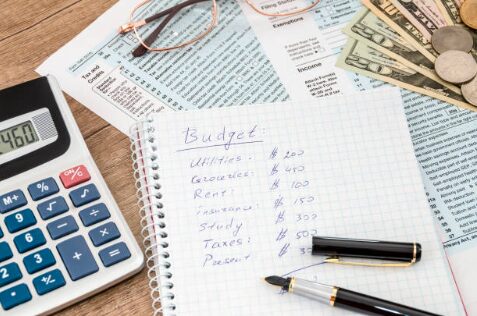

Managing money wisely is one of the most important life skills. A budget plan helps you understand where your money goes and how you can save more for the future. Many people think budgeting is difficult, but it can actually be very simple when you follow the right steps. A good budget allows you to control your spending, reduce financial stress, and achieve your financial goals more easily.
Whether you are a student, employee, business owner, or someone managing household expenses, creating a budget plan can help you stay financially organized. The best part is that you do not need advanced financial knowledge to make an effective budget.
What Is a Budget Plan?
A budget plan is a financial roadmap that tracks your income and expenses over a specific period, usually monthly. It helps you decide how much money to spend, save, and invest.
A simple budget plan allows you to:
- Track your spending habits
- Avoid unnecessary expenses
- Save money regularly
- Manage bills on time
- Prepare for emergencies
- Reach financial goals faster
Without a budget, many people overspend without realizing it, which can lead to debt and financial problems.
Why Budgeting Is Important
Budgeting is important because it gives you control over your finances. Instead of wondering where your money disappeared, you can clearly see how every dollar is used.
Benefits of Budgeting
| Benefit | Explanation |
|---|---|
| Better Financial Control | Helps you manage income and expenses |
| Reduced Stress | Less worry about bills and debt |
| Increased Savings | Encourages regular saving habits |
| Improved Spending Habits | Helps avoid unnecessary purchases |
| Financial Goal Achievement | Makes it easier to plan for future goals |
A budget also helps build discipline and encourages smarter financial decisions.
Step 1: Calculate Your Monthly Income
The first step in creating a simple budget plan is understanding how much money you earn each month.
Your monthly income may include:
- Salary or wages
- Freelance income
- Business earnings
- Rental income
- Side hustle earnings
- Investment returns
Write down your total monthly income after taxes. This gives you a realistic amount available for spending and saving.
Example of Monthly Income
| Source of Income | Amount |
|---|---|
| Salary | $2,500 |
| Freelance Work | $300 |
| Online Business | $200 |
| Total Income | $3,000 |
Knowing your exact income helps create a more accurate budget.
Step 2: List All Your Expenses
After calculating your income, the next step is tracking your expenses. Divide expenses into two categories:
Fixed Expenses
These costs remain mostly the same every month.
Examples include:
- Rent or mortgage
- Insurance
- Loan payments
- Internet bills
- School fees
Variable Expenses
These expenses change monthly.
Examples include:
- Food
- Entertainment
- Shopping
- Transportation
- Dining out
Tracking every expense helps you identify where your money goes.
Step 3: Separate Needs from Wants
One of the most important parts of budgeting is understanding the difference between needs and wants.
Needs
Needs are essential expenses necessary for daily living.
Examples:
- Housing
- Groceries
- Utilities
- Transportation
- Healthcare
Wants
Wants are non-essential purchases.
Examples:
- Expensive gadgets
- Dining at luxury restaurants
- Entertainment subscriptions
- Designer clothing
Reducing unnecessary wants can improve your financial health significantly.
Step 4: Use the 50/30/20 Budget Rule
The 50/30/20 rule is one of the easiest budgeting methods for beginners.
Breakdown of the Rule
| Category | Percentage |
|---|---|
| Needs | 50% |
| Wants | 30% |
| Savings and Debt Repayment | 20% |
For example, if your monthly income is $3,000:
- $1,500 for needs
- $900 for wants
- $600 for savings or debt payments
This method creates balance between spending and saving.
Step 5: Set Financial Goals
Budgeting becomes easier when you have clear financial goals.
Short-Term Goals
- Saving for a vacation
- Buying a smartphone
- Paying off a small debt
Long-Term Goals
- Buying a house
- Retirement savings
- Starting a business
Setting goals keeps you motivated and focused on managing money wisely.
Step 6: Create a Savings Plan
Saving money should always be part of your budget. Even small savings can grow over time.
Simple Saving Tips
- Save a fixed amount monthly
- Use automatic savings transfers
- Reduce unnecessary spending
- Build an emergency fund
- Avoid impulse shopping
Financial experts often recommend saving at least three to six months of living expenses for emergencies.
Step 7: Track Your Spending Regularly
Creating a budget is not enough. You must also monitor your spending regularly.
You can track expenses using:
- Budgeting apps
- Excel spreadsheets
- Notebook journals
- Online banking tools
Checking your spending weekly helps prevent overspending and keeps your budget accurate.
Step 8: Reduce Unnecessary Expenses
Many people spend money on things they rarely use. Identifying unnecessary expenses can improve your financial stability.
Common Expenses to Reduce
- Multiple streaming subscriptions
- Daily fast food purchases
- Impulse online shopping
- Expensive coffee habits
- Unused memberships
Small changes can lead to large savings over time.
Step 9: Avoid Debt When Possible
Debt can damage financial stability if not managed properly. A good budget helps reduce unnecessary borrowing.
Tips for Managing Debt
- Pay bills on time
- Avoid high-interest loans
- Use credit cards responsibly
- Pay more than the minimum balance
- Focus on reducing existing debt
Reducing debt allows more money for savings and investments.
Step 10: Review and Adjust Your Budget
Your financial situation may change over time. That is why reviewing your budget regularly is important.
You may need adjustments because of:
- Salary increases
- Inflation
- New financial goals
- Family changes
- Unexpected expenses
Updating your budget monthly helps maintain financial balance.
Common Budgeting Mistakes to Avoid
Many people fail at budgeting because of simple mistakes.
Mistakes to Avoid
| Mistake | Impact |
|---|---|
| Not Tracking Expenses | Leads to overspending |
| Setting Unrealistic Goals | Creates frustration |
| Ignoring Small Purchases | Small costs add up quickly |
| Forgetting Emergency Savings | Causes financial stress |
| Not Reviewing the Budget | Makes budgeting ineffective |
Avoiding these mistakes improves long-term financial success.
Best Tools for Budgeting
Technology has made budgeting much easier.
Popular Budgeting Tools
- Google Sheets
- Microsoft Excel
- Budgeting mobile apps
- Banking expense trackers
- Financial planning software
These tools help organize finances and simplify expense tracking.
How Budgeting Improves Financial Health
A simple budget plan creates healthy financial habits that benefit your future. It encourages discipline, smarter spending, and better saving habits.
People who budget regularly often experience:
- Less financial stress
- Better money management
- Improved savings
- Lower debt
- Greater financial confidence
Budgeting is not about limiting your life. It is about making smarter choices with your money.
Conclusion
Creating a simple budget plan is one of the best ways to improve financial stability and achieve personal goals. Budgeting helps you understand your income, control expenses, save money, and avoid unnecessary debt. By following simple steps like tracking spending, separating needs from wants, setting financial goals, and reviewing your budget regularly, you can build a stronger financial future.
A successful budget does not need to be complicated. The key is consistency, discipline, and making smart financial decisions every month. Over time, even small budgeting improvements can lead to significant financial success.
FAQs
What is the easiest way to start budgeting?
The easiest way is to track your income and expenses, then divide spending into categories like needs, wants, and savings.
How much money should I save each month?
Many experts recommend saving at least 20% of your monthly income if possible.
Why do budgets fail?
Budgets often fail because people do not track expenses regularly or create unrealistic spending limits.
Is budgeting important for students?
Yes, budgeting helps students manage limited income, avoid debt, and develop good financial habits early.
Can budgeting help reduce debt?
Yes, a budget helps control spending and allows more money to be used for debt repayment.