


Introduction
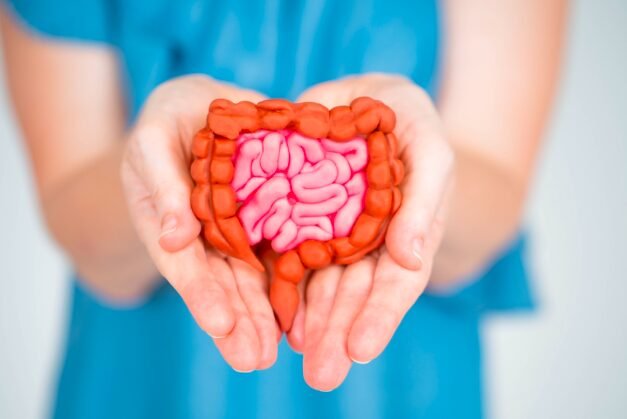
Good digestive health is important for overall well-being. Your digestive system helps your body break down food, absorb nutrients, and remove waste. When digestion is working properly, you feel more energetic, comfortable, and healthy. However, poor eating habits, stress, lack of exercise, and unhealthy lifestyles can lead to digestive problems such as bloating, constipation, gas, and stomach discomfort.
Improving digestive health does not always require major lifestyle changes. Simple daily habits can make a big difference in how your digestive system functions. Eating nutritious foods, staying hydrated, exercising regularly, and managing stress are all important for maintaining a healthy gut. By following easy and practical tips, you can support better digestion and improve your overall quality of life.
Eat More Fiber-Rich Foods
Fiber plays a major role in keeping the digestive system healthy. It helps food move smoothly through the intestines and prevents constipation. Foods high in fiber also support healthy gut bacteria, which are important for digestion.
Some healthy fiber-rich foods include:
- Fruits such as apples, bananas, berries, and oranges
- Vegetables like carrots, spinach, and broccoli
- Whole grains such as oats, brown rice, and whole wheat bread
- Beans, lentils, and nuts
Adding fiber slowly to your diet can help prevent bloating and discomfort.
Drink Plenty of Water
Water is essential for healthy digestion. It helps break down food and allows nutrients to move through the body more efficiently. Drinking enough water also softens stool and helps prevent constipation.
Most people should aim to drink several glasses of water throughout the day. You can also stay hydrated by eating foods with high water content, such as cucumbers, watermelon, and oranges.
Eat Slowly and Chew Properly
Many digestive issues happen because people eat too quickly. Eating slowly gives your stomach enough time to process food properly. Chewing food thoroughly also makes digestion easier because the stomach does not have to work as hard.
Simple ways to improve eating habits include:
- Taking smaller bites
- Avoiding distractions while eating
- Sitting down during meals
- Chewing food completely before swallowing
These habits can reduce bloating and improve nutrient absorption.
Include Probiotic Foods in Your Diet
Probiotics are healthy bacteria that support gut health. They help balance the digestive system and may reduce digestive discomfort. Foods containing probiotics can improve digestion naturally.
Common probiotic foods include:
| Probiotic Food | Benefits |
|---|---|
| Yogurt | Supports healthy gut bacteria |
| Kefir | Helps improve digestion |
| Kimchi | Contains beneficial bacteria |
| Sauerkraut | Supports gut balance |
| Pickles | May aid digestive health |
Adding probiotic foods regularly may help maintain a healthier digestive system.
Exercise Regularly
Physical activity is beneficial for digestion because it helps food move through the digestive tract. Regular exercise can reduce constipation, bloating, and stomach discomfort.
Healthy activities include:
- Walking
- Cycling
- Swimming
- Yoga
- Light stretching exercises
Even a short daily walk after meals can support better digestion.
Reduce Stress Levels
Stress can negatively affect digestion and may lead to stomach pain, bloating, or changes in appetite. Long-term stress may also increase the risk of digestive disorders.
Ways to reduce stress include:
- Practicing deep breathing
- Getting enough sleep
- Spending time outdoors
- Meditation or relaxation exercises
- Taking breaks from work and screens
Managing stress can help both your mind and digestive system stay healthy.
Avoid Overeating
Eating too much food at one time can put pressure on the digestive system. Overeating often causes bloating, acid reflux, and stomach discomfort. Smaller meals are usually easier for the body to digest.
Try these healthy habits:
- Eat moderate portion sizes
- Avoid late-night heavy meals
- Stop eating when you feel full
- Choose healthy snacks instead of large unhealthy meals
Balanced eating habits can improve digestion significantly.
Limit Processed and Fried Foods
Highly processed foods and fried meals can slow digestion and irritate the stomach. These foods are often high in unhealthy fats, sugar, and salt, which may lead to digestive discomfort.
Instead of processed foods, choose:
- Fresh fruits and vegetables
- Lean proteins
- Whole grains
- Homemade meals
- Healthy snacks like nuts and seeds
Eating natural foods supports better digestive function.
Get Enough Sleep
Sleep is important for many body functions, including digestion. Poor sleep may affect the digestive system and increase stress levels, which can worsen digestive problems.
Healthy sleep habits include:
- Sleeping at consistent times
- Avoiding large meals before bed
- Limiting screen time at night
- Creating a calm sleeping environment
Good sleep can help the digestive system work more effectively.
Avoid Smoking and Excess Alcohol
Smoking and excessive alcohol consumption can damage the digestive system. These habits may increase the risk of acid reflux, stomach irritation, and other digestive disorders.
Reducing or avoiding these habits can improve overall digestive health and support better long-term wellness.
Listen to Your Body
Every person’s digestive system is different. Some foods may cause discomfort for one person but not for another. Paying attention to how your body reacts to certain foods can help you make healthier choices.
Keeping a food journal may help identify foods that trigger bloating, gas, or stomach pain. Once you understand your body better, you can create eating habits that support healthier digestion.
Conclusion
Improving digestive health does not have to be complicated. Small daily changes such as eating more fiber, drinking enough water, exercising regularly, and managing stress can make a significant difference. Healthy digestion supports better energy, comfort, and overall wellness.
By following these easy tips consistently, you can help your digestive system function more effectively and reduce common digestive problems. A healthy digestive system is an important part of maintaining a healthy and balanced life.